
















Nana P.
2 months ago
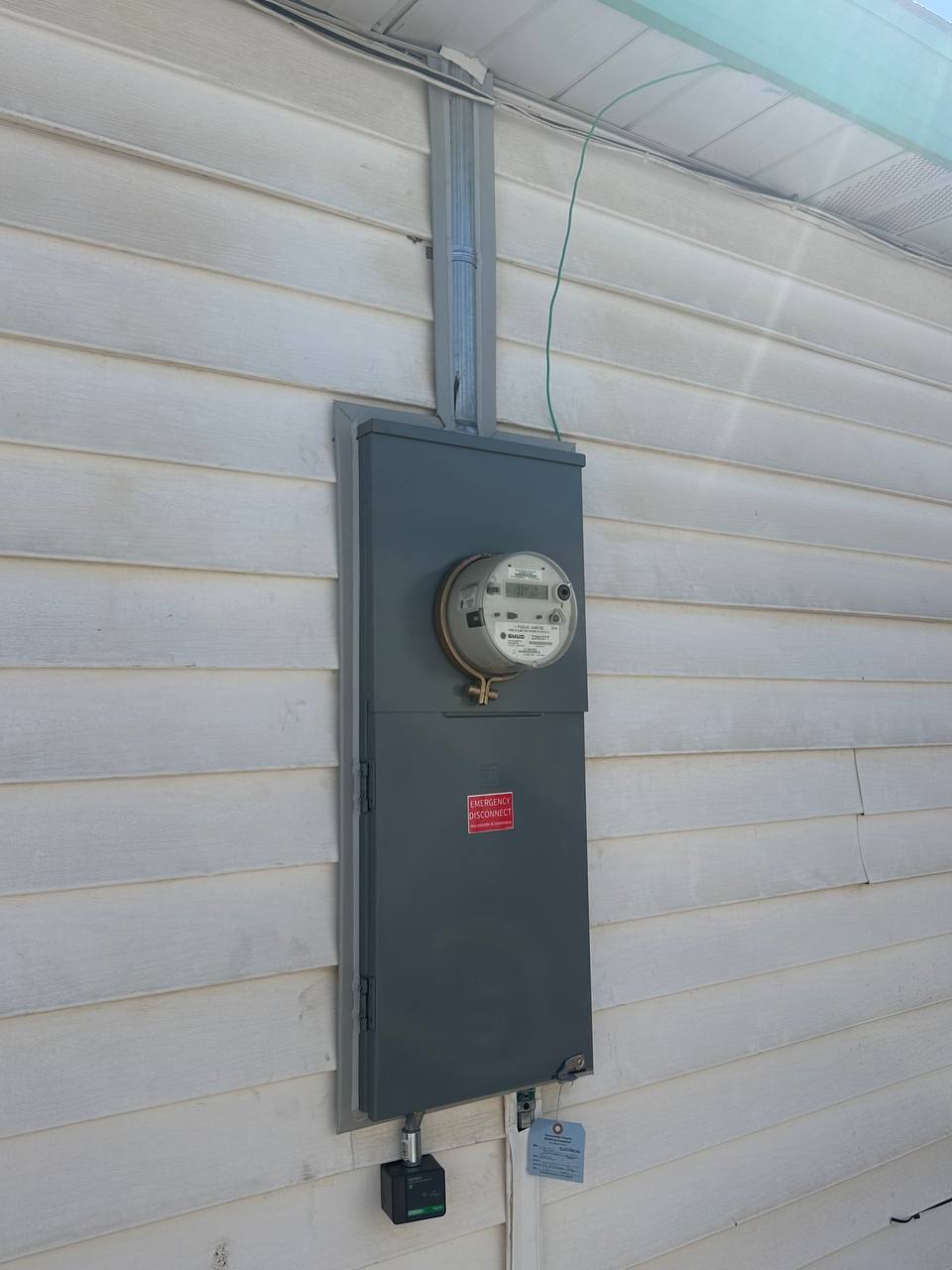
Old town electric was fantastic! I needed a new circuit box and from start to finish their service was great. They responded promptly to my needs sending someone out the same day to look at the problem and give me a quote within hours.
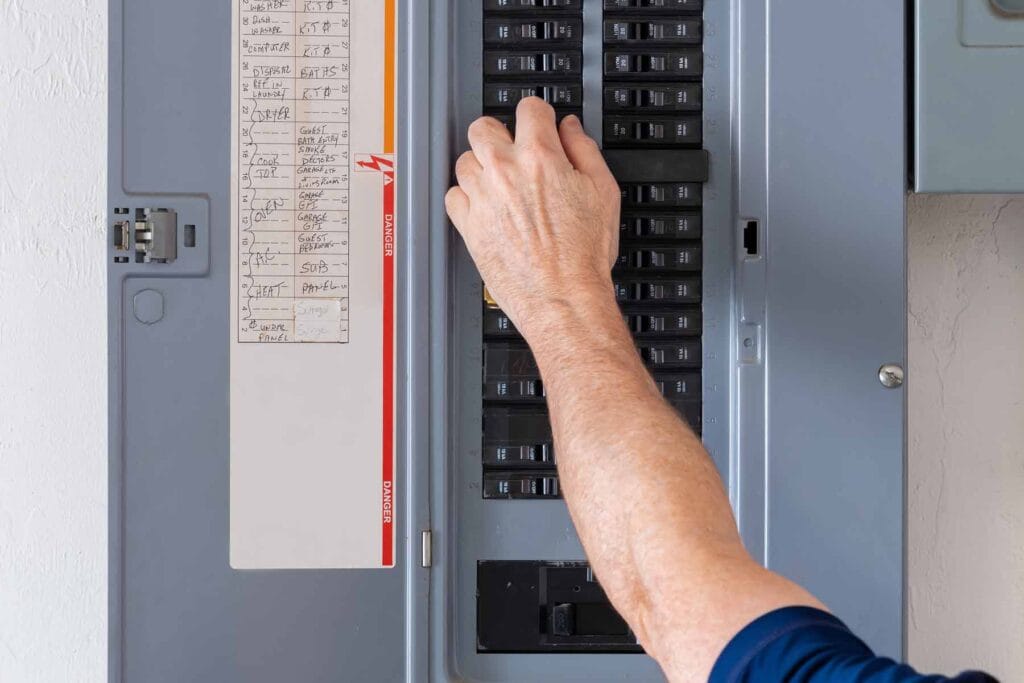
They took care of all permits and inspections and kept me updated. The day of the replacement a whole crew showed up and replaced everything, answered all my questions, worked with SMUD, and before leaving checked every plug inside and outside the house and labeled inside circuit box.
I highly recommend this wonderful company!
Also they always answer the phone and keep you posted what will happen and when.

Isaiah F.
3 months ago
Very professional, prompt, and knowledgeable. Fast, and got the job done right. Got a upgraded light switch too. Respectful and genuine.

Glen C.
3 months ago
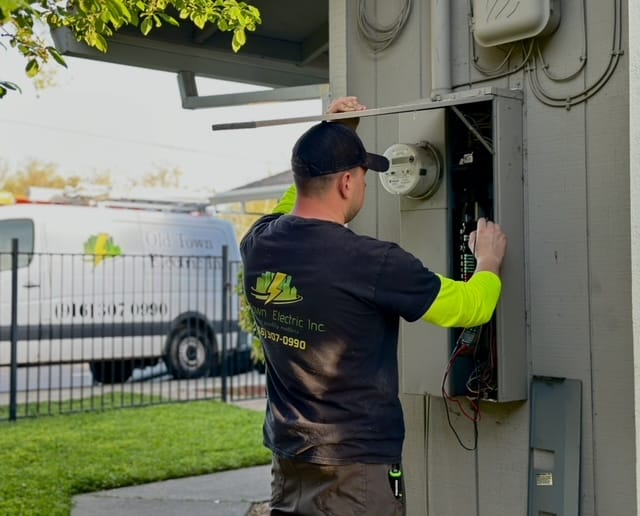
OldTown Electric did a great job replacing my old power panel. The wiring is so clean on the new panel and the labels are a plus. The replacement took less than 8 hours. They also patched the stucco and the stucco patch matches my current stucco. I highly recommend them for electrical work.

Richard “R.J.” M.
3 months ago
Old Town Electric is super responsive, very customer service oriented, and extremely thorough with their work. In a word, they are impeccable.

Tom F.
5 months ago
I have used Old Town Electric for a number of projects at my house in Newport, Ranging from updating my main power feed to the house from the street (Thereby removing a safety hazard), adding power to the end of my pier for my boat lift and lighting, installing a mobile generator outlet outside of my house, providing power to my Shed, and most recently to square away a faulty pool pump timer. In each and every case, they were extremely professional and punctual and did a complete and thorough job. I give them my highest recommendation.

Mark
5 months ago
They were very accommodating with my schedule (which changed a couple of times) and always professional and pleasant. They did an excellent job with completing the necessary connections for my new hot tub installation and fountain outlet. I highly recommend them, and their rates seemed very fair.

Marie G.
5 months ago
Amazing, efficient, knowledgeable & professional service.

Jessica R.
5 months ago
Super friendly and helpful

Laura W.
5 months ago
Very professional. Arrived on time, added extras, at our request, at the last minute. Came back to fix any after installation issue.

Max G.
5 months ago
Oleg and Vasiliy installed a Tesla charger for us. They were very professional and their prices were very competitive. Would highly recommend them if you're looking for someone to do any electrical work.

Kirk W.
5 months ago
Really happy with the work. We had our panel replaced and 2 ev chargers installed. Professionally serviced and installed. Thanks!

David T.
6 months ago
Old Town Electric responded quickly with a competitive quote for installing my EV charger and completed the work in a timely manner.

James
6 months ago
This is a great team. They ensured things worked fully with my new circuit and the price was good.

Raymond M.
6 months ago
Vasyl did a great job installing my new EV Charger and upgrading my panel. His company took care of all the permits, he was prompt and professional, and his bid came in at a very competitive price in comparison with other local electricians. It was a hassle free experience from beginning to end. I’d recommend him with no hesitation.

Josh L.
6 months ago
Oleg arrived on time and was able to explain the issue clearly for me. I appreciate his patience and answering my questions. I feel confident in using their services in the future.

Vladimir G.
7 months ago
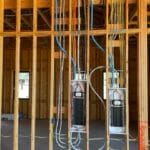
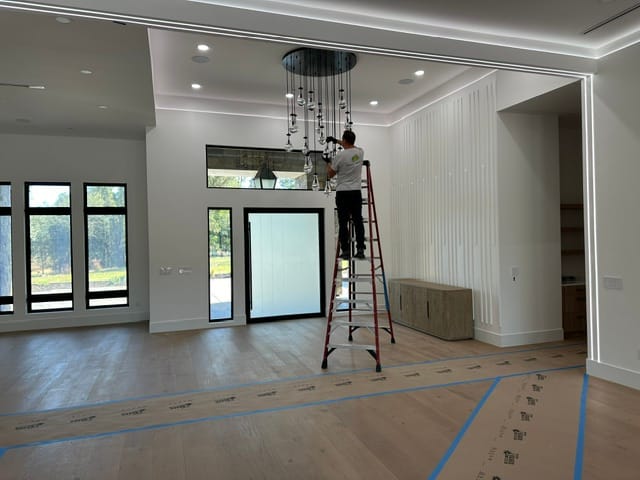
Highly recommend Old Town Electric. They completed full custom wiring and lights throughout our entire house, and the quality of their work was excellent. They were professional, knowledgeable, and paid attention to every detail from start to finish. Everything was done neatly, on time, and exactly how we wanted. Communication was great throughout the whole process, and they made sure all our questions were answered. Our home’s electrical system turned out even better than we expected. We’re very happy with the results and would definitely use them again!

Arsen G.
7 months ago
I recently hired an Old town electric and was very impressed with the quality of work. They arrived on time, were professional, and clearly explained what needed to be done before starting. The job was completed efficiently, and everything was left clean and organized afterward. What stood out most was their attention to detail and commitment to safety, they made sure everything was up to code and working perfectly before leaving. The pricing was fair with no surprises, which I appreciated. Overall, it was a smooth and stress-free experience, and I would definitely recommend this electrician to anyone looking for reliable and skilled service.

Elk T.
7 months ago
The quality of the work was excellent—everything was done safely, and up to code. He showed up on time, worked efficiently and his attention to detail and commitment to doing the job right the first time.

Aida I.
10 months ago
I have been so relieved and satisfied to have found Oldtown electric. From the way they answer the phone and how the complete tasks, it felt very welcoming. They ate punctual, professional and go above and beyond! They even took my boxes for me! They came back to place light bulbs that I forgot to buy!! Definitely recommend!

Michael P.
10 months ago
Fast, courteous, fair price

Tom T.
11 months ago
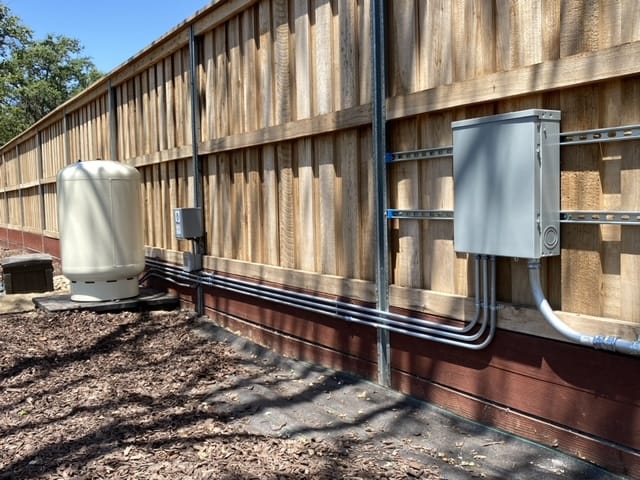
Old Town Electric did a fabulous job running power 400 feet from the service to our barn, installing a subpanel, 30 overhead lights in our covered arena and barn, light switches and plugs throughout, and all the conduit. They were customer service oriented, professional, respectful, thorough, and the price was just right. Old Town Electric will be the first electricians I call in the future!! Well done! Tom Taylor

Clemente J.
11 months ago
I am completely happy with Old Town Electric's service. Not only did they provide a competitive quote for my EV charger installation, they walked me through the app setup and explained the work they did on the panel. They arrived on time for their appointment and quickly completed the work. I will most definitely reach out to them for other projects it the future.

Jacob W.
12 months ago
Courteous and speedy, got the job done explained the issue well.

Julie H.
1 year ago
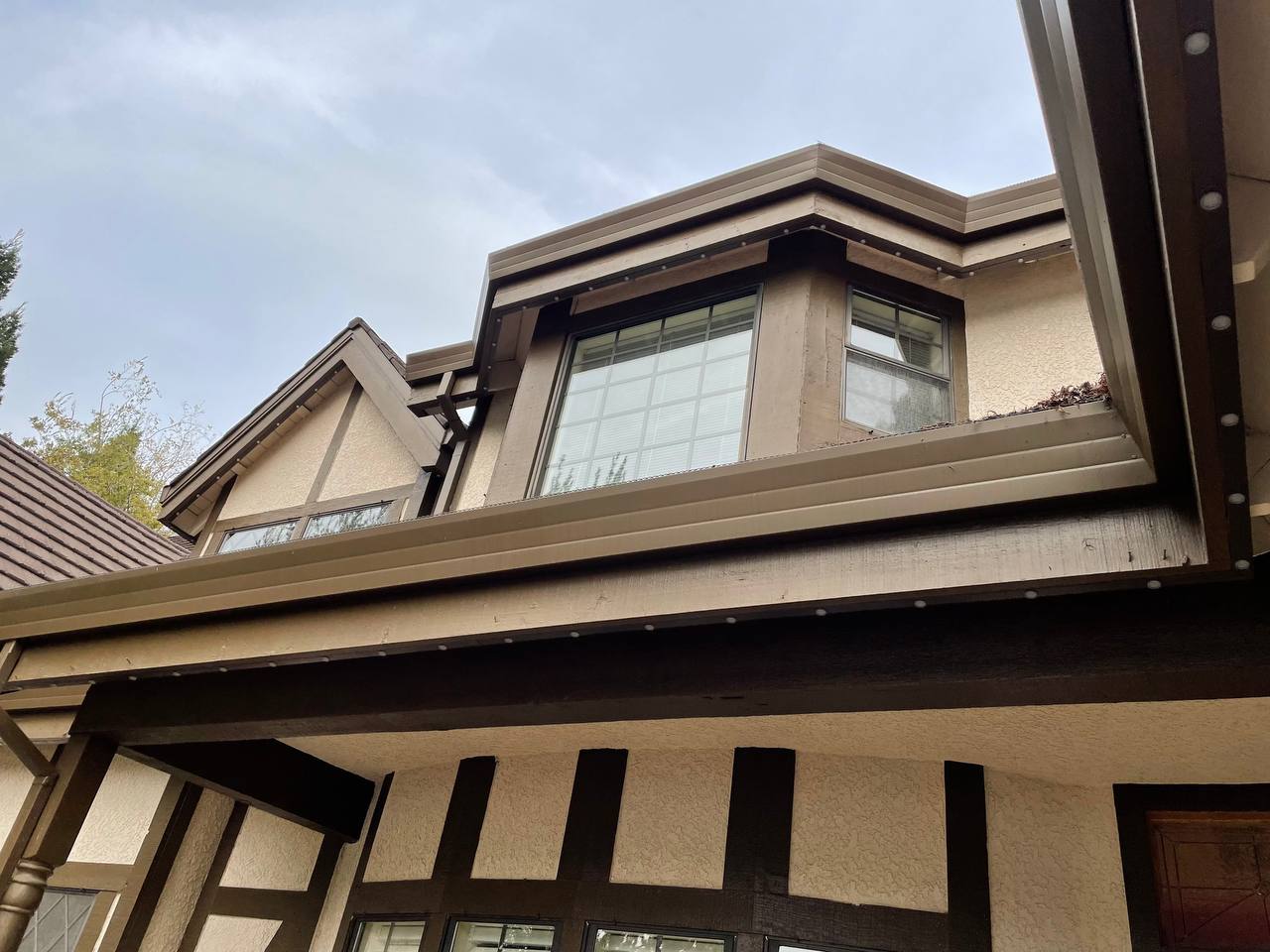
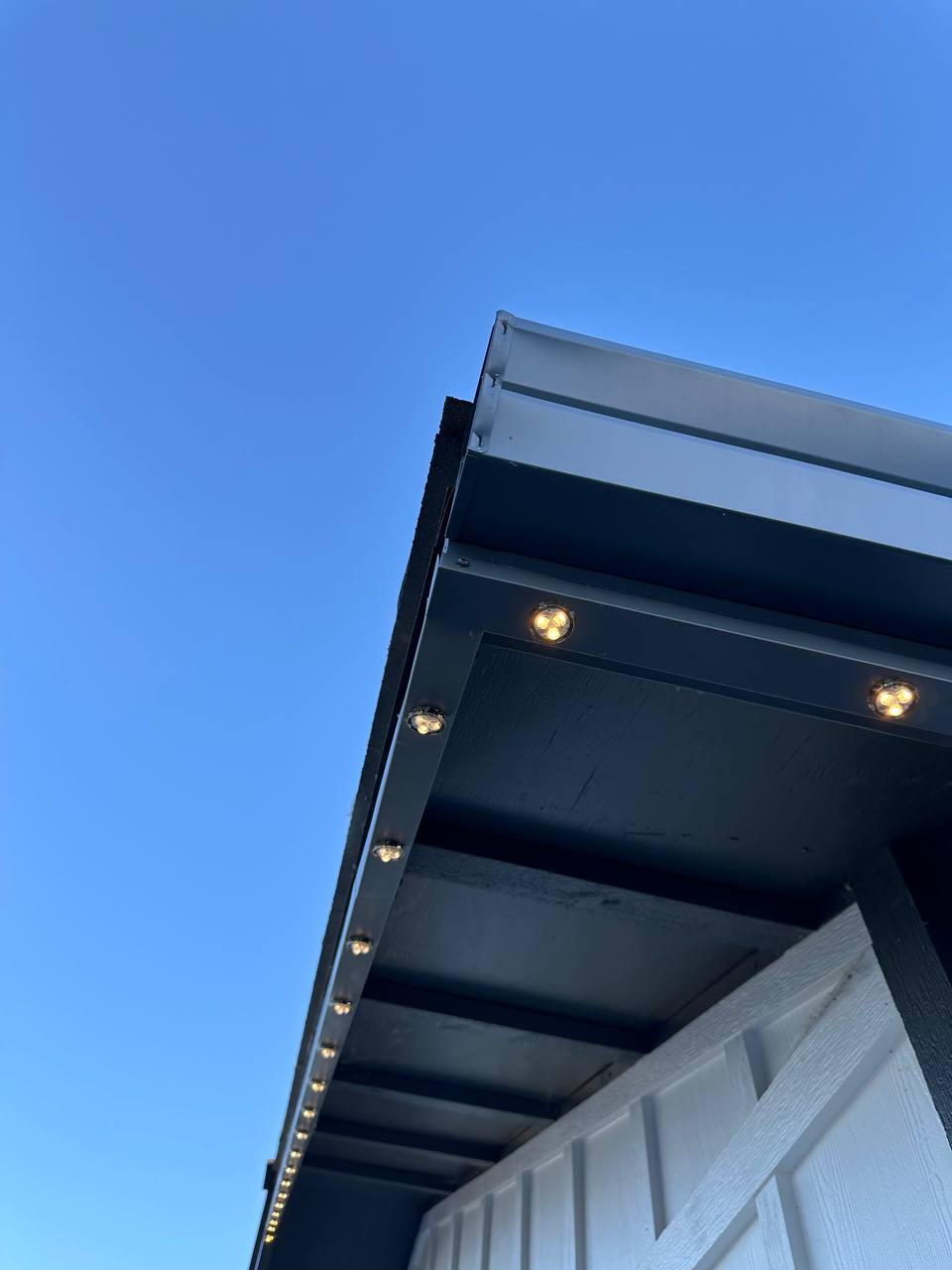
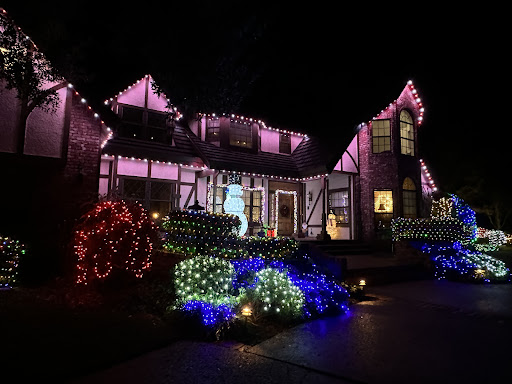
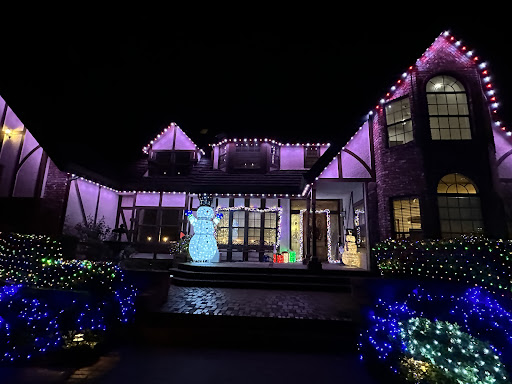
You always provide excellent work, but we are so amazed by your Jellyfish light installation! They are simply gorgeous and easy to use. They made our Christmas so exciting, thank you for making this recommendation. We love them.

rlromero10
1 year ago
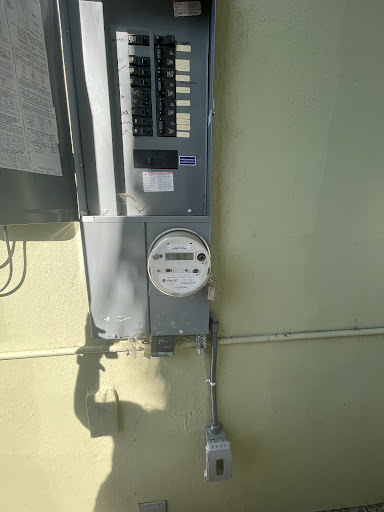
Old town has done two projects for us and we will continue to work with them! They are great and efficient!

kayce K.
1 year ago
They were friendly and got the job done in a timely manner. 100% would use again

Tony F.
1 year ago
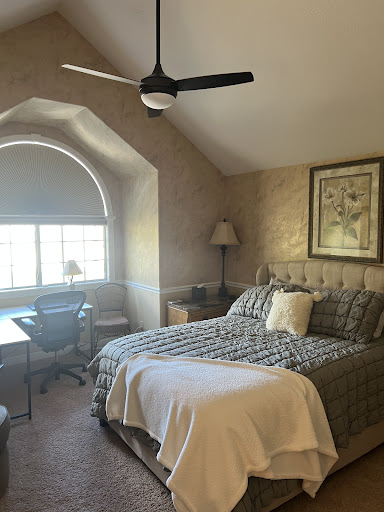
What a great first experience! Vitaliy set a quick appt., communicated effectively, showed up at the beginning of 2 hour window, checked with me on points of install, did the job for quoted price! Very personable and professional! Will use again without question!

alan K.
1 year ago
Old Town Electric was a pleasure to work with. Their work was professional and timely. I recently purchased a home and needed a lot of projects done from running electric to the garage to adding lights to a closet. Old town will always be my go to company for electrical work.

Anthony D.
1 year ago
Old Town Electric installed a 40amp circuit for our new induction stove. The install went smoothly with no issues. I would use them again for our future projects.

Rebekah L.
1 year ago
We recently had our electrical panel upgrades by OldTown Electric and we are very happy with the service. Vasyl is very responsive and explained the process very clearly. I would definitely recommend his company.

Heather D.
2 years ago
Old Town Electric privided excellent service, as usual. Technicians were polite and took care of what I needed . Had 5 light fixtures installed. Highly recommend.

Tatiana S.
2 years ago
We had an amazing experience with Old Town Electric! They did a fantastic job installing lights over our house. The technicians were extremely friendly, and communicated everything well throughout the process. The work was completed on time, and we couldn’t be happier with the results. We are truly satisfied and would highly recommend them to anyone looking for quality work!

Patricia
2 years ago
The electrician was great and very informative with what he did and helping us understand what was needed! Will definitely use this company for future projects!!

Phillip J.
2 years ago
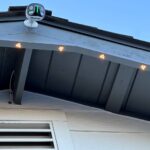
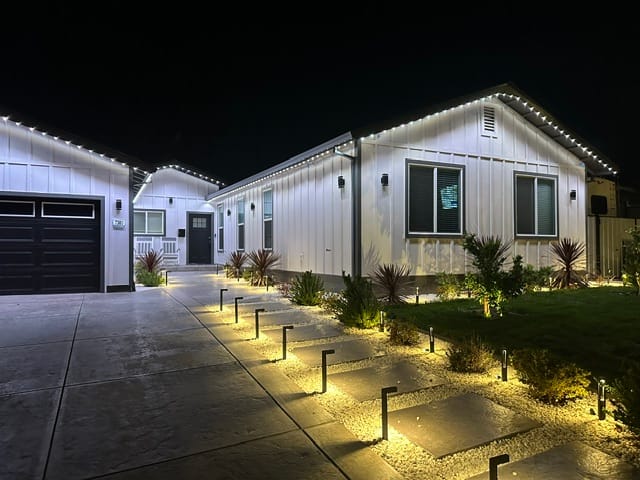
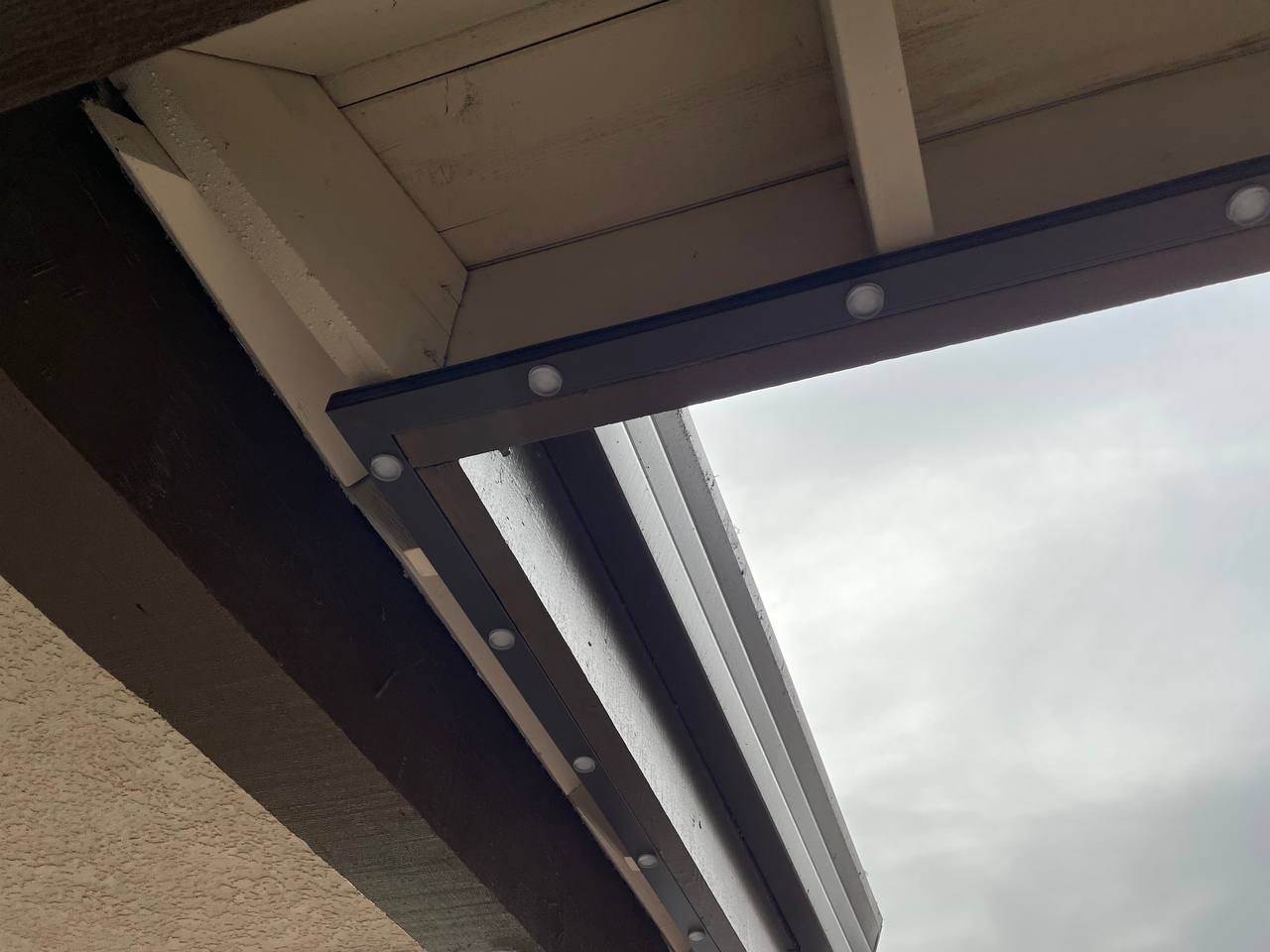
It’s been about a month now since we had OldTown install Gemstone Lights on the front of the house. I wanted to wait a bit to give an honest review and we could not be happier with their communication, quality of install and the Gemstone light product. I would highly recommend them for permanent lighting in the future. We plan to use them for our next projects. Thank you Old Town Electric!!!

JJD451 D
2 years ago
The job was completed in a timely manner. The cost was reasonable, the technicians were courteous, respectful and efficient. Received good professional customer service Good job.
Thank you,
Jesse and Lesle

Julio D V.
2 years ago
We found them to be very professional they understood what we wanted to accomplish they provided useful information and they completed the job within a reasonable time frame. We would highly recommend them.
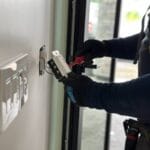
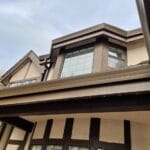
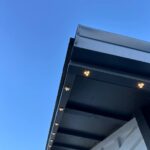
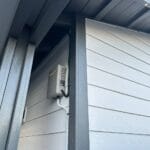
Installation of camera with transformer.
Not picture but installation of fan with heater and light in bathroom.
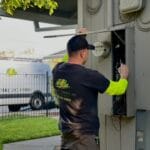
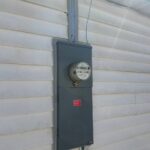
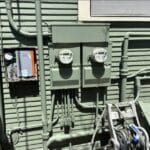
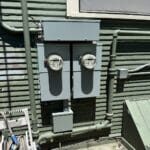
Having a carport/storage shed(16'X24') I needed to have the power line raised from pole to house(County Code).
They were prompt on the day of work. They noticed somethings that needed to be brought up to code. They explained what needed to be done, the way they were going to do it and the cost.
I noticed the pictures are not in order. SMUD disconnecting the power line, the electrician installing the raiser, SMUD connecting the power line to utility box.
What was to be expected was the wait for SMUD, the county and SMUD. In this kind of work you are on their schedule and not the other way around.
The electricians did their work on a timely basis.
I continue to call them for an electrical work and ethernet connection.

Alex S.
2 years ago
Awesome leadership! extremely Great and friendly Team . Supper easy to communicate with, knowledgeable and took the time to walk us through all of the options available and what would work best for us, with budget friendly deals. My Wife and I are highly impressed with the level of detail and attention given to our project. I would highly recommend oldtown electric Inc to anyone looking for electrical solutions.

Julio D. V.
3 years ago
In the process of having a carport and storage shed with power build in backyard.
County inspector after passing inspection on footing and forms suggested that I have a ground rebar installed.
I contacted OldTown Electric Inc. who I had previously made arrangements to run a power line along with two cables for security cameras an Ethernet line to the storage shed part of the structure.
They were prompt, professional and courteous.