
Quick Answer: For a simple Sacramento service call, a usable electrician estimate often lands the same day or within 24 to 48 hours after you describe the problem. Jobs that need a panel look, a load calc, or a permit path usually need an on-site visit first. CSLB tells homeowners to get at least three written bids on the same scope. If a shop goes quiet for a week with no callback, move on.
People searching electrician estimate timing are rarely asking for a pep talk. They want to know how long is normal, what a serious quote should list, and when silence means the contractor is not coming. The live post on this URL was thin marketing copy about “free estimates near me.” After Google’s August 2026 spam update, that style lost clicks. This rewrite stays on timing and quote quality for Sacramento homes.
Old Town Electric Inc. is a C-10 shop (CSLB #1099728). We write estimates for work across Sacramento, Elk Grove, Roseville, Citrus Heights, Folsom, and nearby cities. Call (916) 307-0990 or use our contact page when you are ready for a real walkthrough. This guide is planning help, not a fixed bid.
How long should you wait on an electrician estimate in Sacramento?
Wait time tracks the type of job, not a marketing slogan. A tripped breaker diagnosis, a dead receptacle, or a like-for-like fixture swap can often be scoped after a clear phone or text description plus a few photos. Many of those land as a same-day or next-day price once a tech confirms the parts and access.
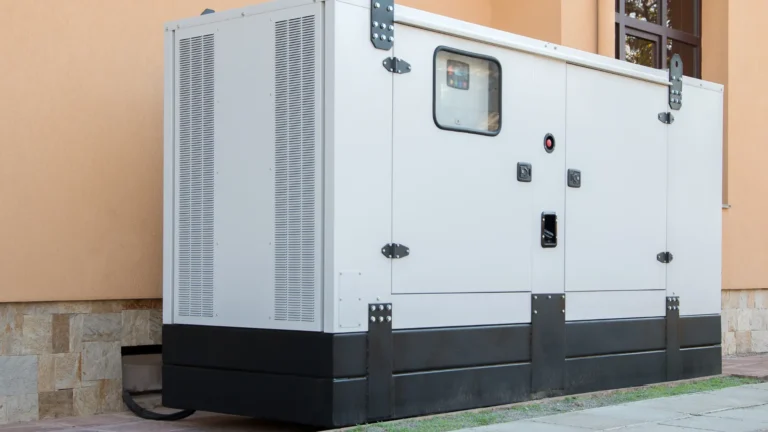
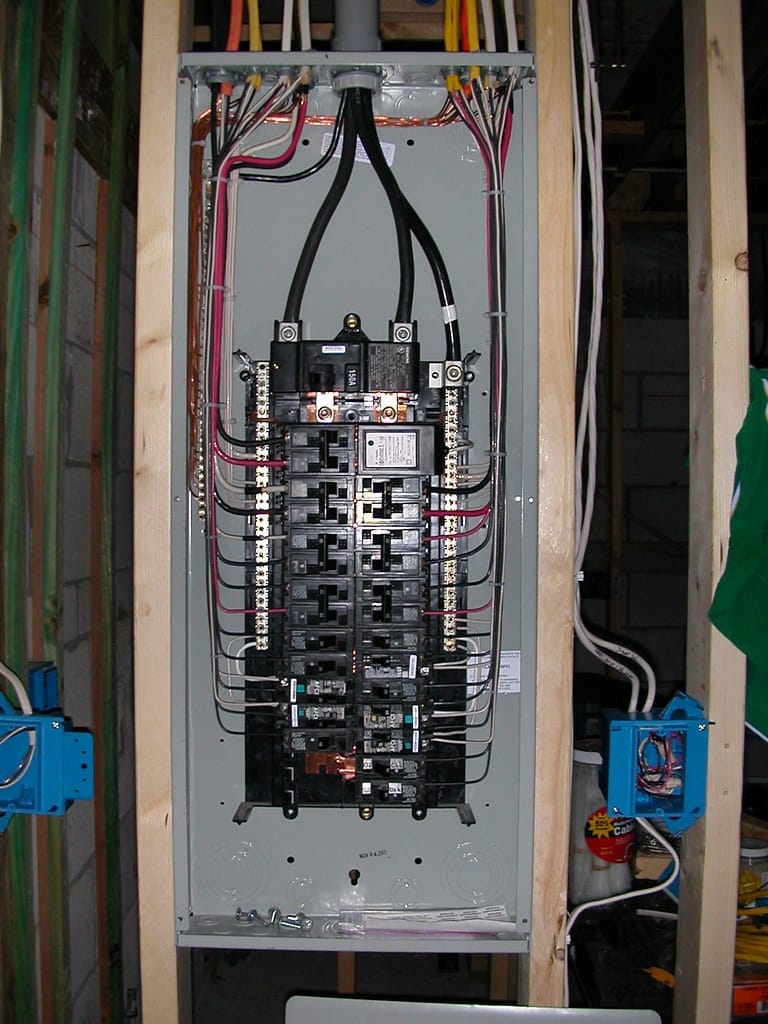
Panel upgrades, whole-kitchen circuit work, EV chargers, generator interlocks, and rewires are different. Those need a site visit to see the panel space, feeder size, grounding, and whether the address sits in the City of Sacramento or an unincorporated County pocket. Expect the written number after that visit, not before someone has looked at the gear.
| Job type | Typical estimate path | Realistic homeowner wait |
|---|---|---|
| Simple repair / device swap | Phone or photo triage, then confirm on site | Same day to 48 hours for a usable number |
| New circuit, kitchen under-sink work, outlet runs | Short site visit; may need panel photo | 1 to 3 business days after the visit |
| Panel, service, EV, generator, rewire | Full site visit + AHJ / utility notes | Often several days after inspection of the gear |
| No reply and no schedule offer | Treat as dropped lead | Stop waiting after about a week of silence |
Busy weeks stretch every shop. What should not stretch is communication. A short message that says “we can walk it Thursday” is still a live estimate process. Radio silence after you sent photos is not.
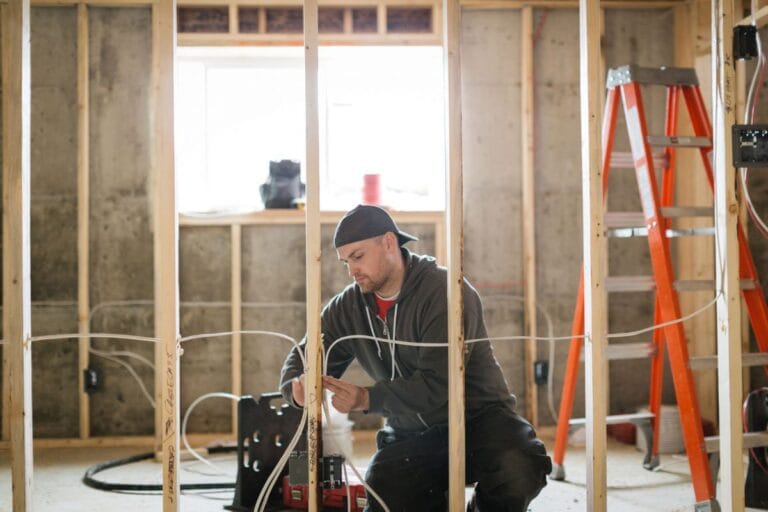
Same-day estimates still depend on access. If the panel is locked in a garage you cannot open, or the attic hatch is blocked by storage, the tech cannot finish the number even when the truck is already in your ZIP. Send gate codes, pet notes, and a clear window when someone 18 or older can be home. That cuts a second trip more often than any sales script does.
What should a real electrical estimate include?
CSLB’s consumer guidance on finding the right contractor tells you to get at least three written bids and to compare them on identical plans, specifications, and scope. A one-line text that says “panel about $X” is not that. For home improvement work over $500 in combined labor and materials, California also expects a written home improvement contract with required disclosures before work starts. The estimate is where that clarity begins.
A usable Sacramento electrical estimate should spell out:
- Exact work description (rooms, devices, circuits, panel actions).
- Major materials and brands when they matter (breaker type, wire size, GFCI vs dual-function, receptacle grade).
- Labor assumptions and what is excluded (drywall patch, paint, cabinet carpenter, night work).
- Permit responsibility and which AHJ (City of Sacramento Minor Permits desk vs Sacramento County Building Permits and Inspection).
- Utility or inspection steps when SMUD or the building department is in the path.
- Price, payment timing, and how change orders get written.
- License number on the bid (CSLB requires license numbers on bids and contracts).
If two bids look wildly different, the scopes usually differ. One shop may include a new 20-amp kitchen circuit, GFCI protection, and permit. Another may price only hanging the disposal cord on an existing shared dishwasher circuit. Same keyword search, different jobs.
Change orders deserve their own line in the estimate conversation. CSLB contract guidance expects extras to be written, not waved through on a handshake in the driveway. If your remodel might add recessed cans, a second dishwasher circuit, or a panel heavy-up after drywall opens, ask how those get priced before you sign. A clean base scope plus a written change-order process beats an inflated “allowance” that nobody can audit.
Photos help, but they have limits. A phone shot of a panel directory does not show torque on a neutral bar or heat damage behind a dead front. Treat photo triage as a way to get on the schedule faster, not as a promise that the first number is final once covers come off.
For ballpark labor context on common residential work, our electrician cost Sacramento page covers ranges with named sources. Use it to sanity-check a quote, not to skip the site visit on complex gear.
When does an estimate need a site visit versus a phone quote?
Phone and photo quotes work when the failure mode is clear and the parts are standard. Examples: a GFCI that will not reset, a single dead duplex with an obvious open ground history, or replacing a like-for-like ceiling fan when the box rating is already known. Even then, the final number can change once a tech opens the device box and finds aluminum branch wiring, a bootleg ground, or a shared neutral.
Site visits belong on anything that touches capacity or safety systems:
- Main panel or subpanel work.
- New circuits pulled through finished walls or attics.
- Kitchen remodels where disposal, dishwasher, and small-appliance circuits share space.
- EV charger load calculations.
- Generator transfer equipment.
- Older East Sacramento, Land Park, Curtis Park, Carmichael, and Fair Oaks stock with mixed wiring eras.
Bring what you already know to the visit. Breaker photos, prior invoices, remodel plans, and the address jurisdiction save a second trip. If you only want a phone number and no inspection, say that up front so the shop does not block a tech for a job you will never book.
Commercial suites and tenant-improvement spaces follow a different calendar than a single-family service call. Landlord approval, after-hours access, and building engineer escort rules can push the site visit out even when the electrical scope itself is small. Say up front if the work is in a leased space so the estimator packs the right questions.
Insurance or real-estate deadlines also change the wait math. If you need a written number for escrow or a claim file, tell the shop the hard date when you first call. A normal three-day estimate path will not magically compress unless someone knows the clock is real.
How do City vs County permits change the estimate timeline?
Permit path is one of the main reasons two Sacramento estimates diverge. Inside the City of Sacramento, Community Development lists residential electrical minor work on the Minor Permits page. That list includes new electrical circuits, rewire work, main and sub service panels, ceiling fans, and related items. Many of those are field-reviewed minor permits rather than full plan-check packages. New EV charger circuits are called out separately as needing plan review.
Unincorporated addresses use Sacramento County Building Permits and Inspection (BPI) through the County development / Accela path. Elk Grove, Roseville, Citrus Heights, Folsom, and other suburbs run their own desks. An estimate that ignores which desk owns your address is guessing.
Permit steps stretch the calendar even when the electrical labor itself is short:
- Application and fee payment.
- Scheduling rough and final inspection when the scope needs them.
- Utility clearances on service upgrades.
- Rework if the first pass fails bonding, GFCI, or labeling rules.
Ask every bidder who pulls the permit and whose name is on it. CSLB consumer materials stress confirming that the contractor obtains required building department permits. An estimate that says “permit extra / owner pulls” without explaining the AHJ is incomplete.
SMUD service upgrades and meter releases add utility steps that no electrical shop controls alone. An estimate that lists “panel swap only” without the utility coordination line will look cheaper and then stall. Ask who schedules SMUD and whether the bid includes temporary power plans if the house goes dark during cutover.
What red flags mean you should stop waiting and call someone else?
Patience has a point. After about a week with no schedule offer and no reply to a clear request, start another licensed shop. Other stop signs:
- Bid with no CSLB license number, or a number that does not verify active on cslb.ca.gov.
- Pressure to pay a large cash deposit before a written scope exists.
- Price far below two other written bids on the same scope (CSLB warns that abnormally low bids often mean missing work or corners).
- “We do not do permits on this” for new circuits or panel work that the City or County lists as permitted scopes.
- Verbal-only promises on materials, timelines, or change orders for jobs over the home improvement contract threshold.
CSLB’s “What You Should Know Before Hiring a Contractor” guide also caps typical down payments at 10% or $1,000, whichever is less, for many home improvement contracts, and tells you not to let payments get ahead of completed work. An estimate conversation that ignores those norms is a warning, not a bargain.
How do you compare written bids without picking the cheapest mistake?
Line the bids up on one sheet. Same rooms. Same devices. Same permit assumption. Same exclusions. Then compare:
- Wire size and breaker ampacity for new circuits.
- GFCI / AFCI protection method (device vs breaker).
- Whether drywall, paint, and carpentry are included or owner-side.
- Lead time for materials that are not on the truck.
- Warranty language on labor versus manufacturer gear.
Ask each shop to restate the scope in one paragraph. If they cannot, the estimate will drift once work starts. Prefer the clear mid-range bid over a rock-bottom number that omits the permit and the GFCI protection your kitchen actually needs.
When the job is repair-heavy rather than remodel-heavy, our electrical troubleshooting and repair page shows the service lane most estimate calls start in. For a broader menu of residential work, see services.
Bottom Line
A normal Sacramento electrician estimate is fast when the job is simple and slower when capacity, permits, or hidden wiring are involved. Judge shops by written scope, license status, and callbacks – not by who texts the lowest one-liner first. Get matching written bids, confirm City vs County (or suburb) permit ownership, and walk away from silence or cash-only pressure.
Ready for a walkthrough on your address? Call Old Town Electric Inc. at (916) 307-0990 or send details through contact. CSLB #1099728.
Sources
Contractors State License Board (CSLB) – Finding the Right Contractor (get at least three written bids on identical scope; license numbers on bids and contracts; check license status).
Contractors State License Board (CSLB) – Contracts and Binding Agreements (written home improvement contracts; required details on work, materials, price, payments, permits, dates).
Contractors State License Board (CSLB) – What You Should Know Before Hiring a Contractor (license checks, written contracts, down payment guidance, permits).
City of Sacramento Community Development – Minor Permits page (residential electrical minor work including new electrical circuits, rewire work, main and sub service panels).
Sacramento County Building Permits and Inspection / County development building permits path for unincorporated addresses.
Contractors State License Board (CSLB) – C-10 Electrical Contractor license verification for California (#1099728 for Old Town Electric Inc.).